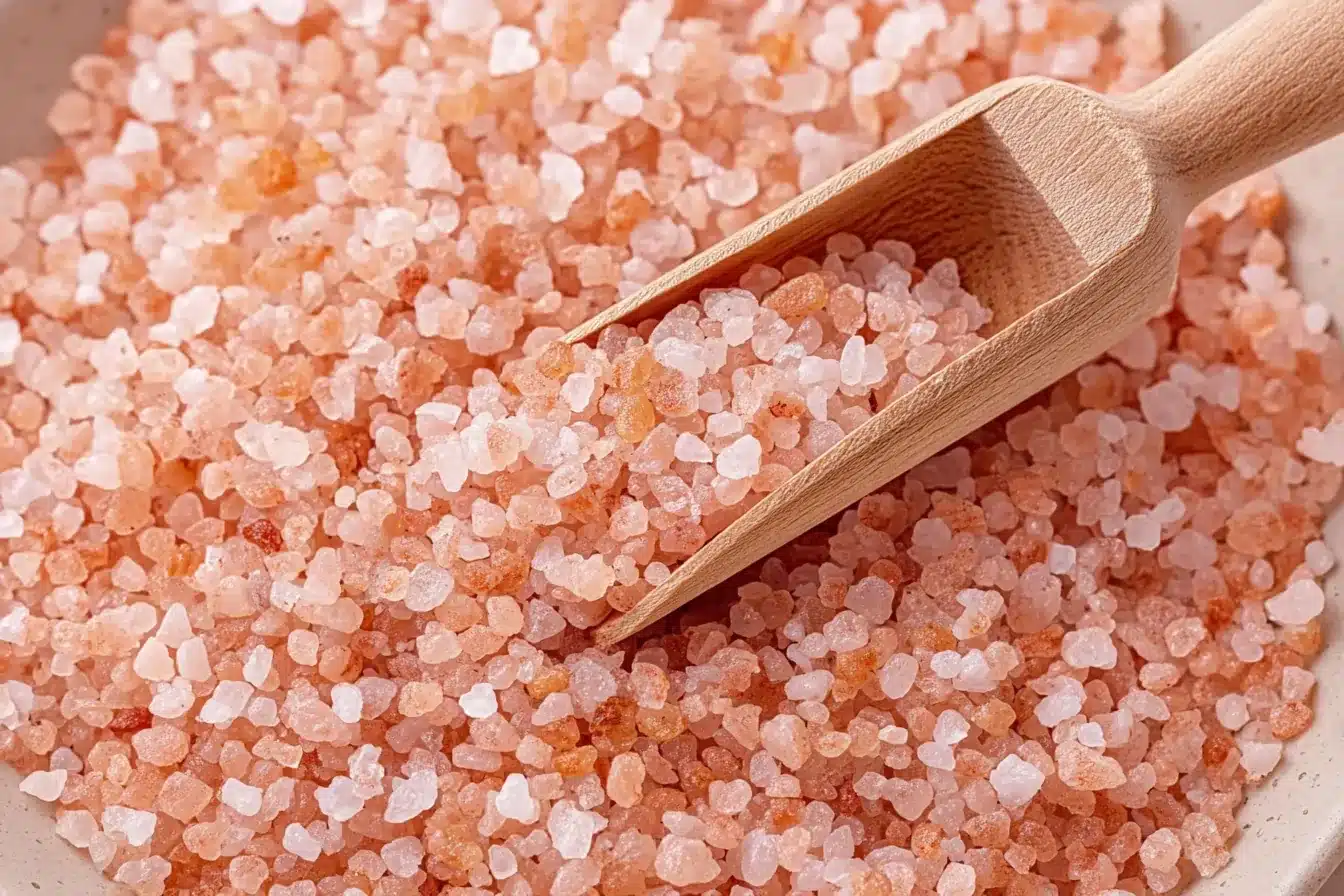
Himalayan pink salt side effects can sneak up quickly, especially if you add it to detox drinks, morning water, or low calorie meals daily. While it looks pretty and contains trace minerals, it still packs sodium, can raise blood pressure, and may lead to bloating or fluid retention.
Table of Contents
What Is Himalayan Pink Salt and Why Is It So Popular
The truth about Himalayan pink salt
Himalayan pink salt comes from ancient salt mines and contains about 98 percent sodium chloride. While many people believe it is healthier, the truth about himalayan pink salt is simple. It works almost the same as regular salt in your body.
However, its pink color comes from tiny mineral traces like iron and magnesium. These sound impressive, yet the amounts are extremely small. As a result, they do not provide real nutritional benefits unless you consume unsafe amounts.
How it compares to regular table salt
At first glance, Himalayan salt looks more natural and less processed. However, when you compare it to table salt, the difference is not as big as many think. Both mainly contain sodium, which affects blood pressure and fluid balance.
Meanwhile, table salt often includes added iodine, which supports thyroid health. Himalayan salt does not contain enough iodine. So, if you replace regular salt completely, you may miss out on this important nutrient.
Why it’s trending in weight loss recipes and detox drinks
Recently, Himalayan salt has become popular in weight loss recipes and morning drinks. For example, many people try the popular pink salt trick recipe to start their day.
In addition, social media promotes it as a detox booster or hydration fix. However, these claims are not backed by strong science. While it may add flavor, using too much can actually increase sodium intake and lead to unwanted himalayan pink salt side effects.
Next, we will look at whether Himalayan pink salt is actually good for your health.
Is Himalayan Pink Salt Good for You
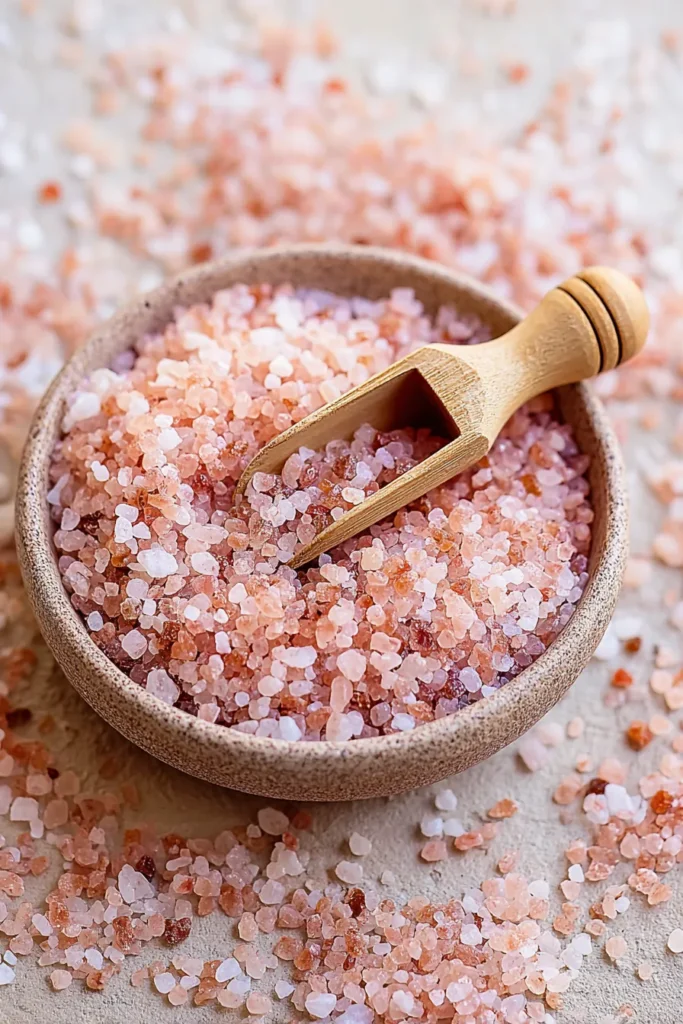
What pink Himalayan salt does to your body
When you consume Himalayan salt, your body mainly reacts to the sodium content. Sodium helps control fluid balance, nerve signals, and muscle movement. However, too much intake can quickly tip that balance.
As a result, your body may retain water, which increases blood volume. Then your heart works harder, and over time, this can raise blood pressure. So even though it feels natural, the effect is very similar to regular salt.
The reality of trace minerals and health claims
Many people choose Himalayan salt because of its trace minerals like calcium, potassium, and magnesium. However, the amounts are extremely small. In fact, you would need to consume dangerously high sodium levels to get any meaningful benefit.
So, while the label sounds appealing, the real impact is minimal. Meanwhile, the sodium content remains high, which is where most himalayan pink salt side effects come from.
Common myths about detox, hydration, and weight loss
You have probably seen claims that pink salt drinks detox your body or boost fat loss. For example, some variations like the pink salt recipe with apple cider vinegar are promoted as metabolism boosters.
However, there is no solid evidence supporting these benefits. Your body already detoxifies itself through the liver and kidneys. Also, drinking salt water daily may actually lead to bloating and water retention instead of weight loss.
Next, let’s break down the most important himalayan pink salt side effects you should know.
Himalayan Pink Salt Side Effects You Should Know
Increased blood pressure and heart disease risk
One of the most serious himalayan pink salt side effects is high blood pressure. Since it contains a large amount of sodium, it causes your body to hold onto water. As a result, blood volume increases, and your heart has to work harder.
Over time, this added strain raises the risk of heart disease, heart attacks, and strokes. So even if the salt looks natural, the impact on your heart remains the same.
Fluid retention, bloating, and swelling
If you often feel puffy after salty meals, this is no coincidence. Excess sodium leads to fluid retention, which can cause bloating and visible swelling, especially in the hands, feet, and face.
Meanwhile, people who try salt water drinks may notice discomfort quickly. This is why pink salt water bloating is a common complaint when intake is too high.
Electrolyte imbalance and its effects on muscles and nerves
Your body needs a balance between sodium and potassium to function properly. However, too much salt can disrupt this balance. Then your nerves and muscles may not work as they should.
As a result, you might experience muscle cramps, fatigue, or irregular heart rhythms. These symptoms can become more noticeable if high sodium intake continues over time.
Kidney strain and risk of kidney disease
Your kidneys filter excess sodium from the blood. However, when sodium intake stays high, your kidneys work harder than normal. Over time, this strain may increase the risk of kidney disease.
In fact, people with existing kidney issues should be especially careful. Too much pink salt can worsen their condition and lead to serious complications.
Calcium loss and potential bone weakening
Another hidden issue is calcium loss. When you consume too much sodium, your body may excrete more calcium through urine. As a result, your bones can slowly weaken.
Over time, this may increase the risk of osteoporosis. So while the effect is not immediate, it can quietly impact long term bone health.
Increased risk of stomach cancer
Research has linked high salt intake to an increased risk of stomach cancer. Although this does not happen overnight, long term excessive consumption can irritate the stomach lining.
Therefore, keeping salt intake within recommended limits is important for overall digestive health.
Exposure to trace contaminants like heavy metals
Because Himalayan salt is less processed, it may contain tiny amounts of contaminants like lead, mercury, aluminum, or nickel. While these are usually present in very small amounts, regular high intake may increase exposure over time.
So although marketed as pure, it is not completely free from unwanted elements. This adds another layer to the potential himalayan pink salt side effects.
Next, we will look at how Himalayan pink salt affects your skin and appearance.
Himalayan Pink Salt Side Effects on Skin and Appearance
Can excess salt cause puffiness and water retention in the face
Yes, and this is one of the most noticeable himalayan pink salt side effects. When you consume too much sodium, your body holds onto extra water. As a result, you may wake up with a puffy face or swollen under eyes.
Meanwhile, this water retention can make your skin look tired and less defined. Many people notice this quickly, especially after salty meals or daily pink salt drinks.
Impact on skin hydration and inflammation
Too much salt can also affect how your skin feels. When your body is overloaded with sodium, it can pull water away from your cells. Then your skin may feel dry or tight.
In addition, high sodium levels may trigger mild inflammation in some people. This can lead to redness or irritation, especially if you already have sensitive skin. So while pink salt is often used in beauty trends, overdoing it internally can have the opposite effect.
Next, let’s talk about a hidden risk many people overlook when switching to Himalayan salt.
The Hidden Risk of Iodine Deficiency
Why Himalayan salt lacks iodine
Unlike regular table salt, Himalayan salt does not contain added iodine. This matters because iodine is an essential nutrient your body needs daily. While the salt looks natural, it simply does not provide enough of this key mineral.
As a result, relying only on Himalayan salt in your meals can slowly reduce your iodine intake. This is especially important if you rarely eat iodine rich foods like seafood or dairy.
Effects on thyroid health and metabolism
Your thyroid depends on iodine to produce hormones that control metabolism. However, when iodine levels drop, your thyroid cannot function properly. Then issues like fatigue, weight changes, and hormone imbalance may appear.
In fact, long term deficiency can lead to goiter, which is a visible swelling in the neck. So while focusing on himalayan pink salt side effects, this hidden risk often gets overlooked.
Risks during pregnancy and fetal development
This risk becomes even more serious during pregnancy. Iodine plays a key role in fetal brain development. Without enough iodine, a baby’s growth and neurological development may be affected.
Therefore, pregnant women need to be especially careful. Replacing iodized salt completely with Himalayan salt can increase the risk of complications.
Next, let’s break down how much Himalayan salt per day is actually safe.
How Much Himalayan Salt Per Day Is Safe
Recommended daily sodium intake explained
Health experts recommend limiting sodium intake to less than 2,300 mg per day. Ideally, many people should aim closer to 1,500 mg, especially if they have blood pressure concerns.
However, this limit includes all sources of salt, not just what you sprinkle on food. So even small additions of Himalayan salt can quickly push you over the daily limit.
Why most people already consume too much salt
In reality, most people already eat more sodium than they need. Processed foods, sauces, and restaurant meals often contain hidden salt. As a result, adding extra pink salt on top can increase the risk of himalayan pink salt side effects.
Meanwhile, trends like salt water drinks make it even easier to overconsume. If you are curious about daily habits, this breakdown of pink salt trick reviews shows how often people unknowingly go over safe limits.
Portion control tips for healthy cooking
The good news is that you can still enjoy Himalayan salt in moderation. First, try measuring instead of sprinkling freely. Even a small pinch can add enough flavor.
Next, balance your meals with fresh herbs, lemon juice, or spices to reduce the need for extra salt. Also, taste your food before adding more, since many dishes already contain enough sodium.
By staying mindful, you can enjoy flavor without dealing with unwanted himalayan pink salt side effects.
Next, let’s take a closer look at the popular Himalayan pink salt diet trend.
Himalayan Pink Salt Diet Trend Explained
What the pink salt diet involves
The Himalayan pink salt diet usually includes drinking salt water first thing in the morning. Many people mix it with lemon or apple cider vinegar and call it a detox routine. Sometimes, it is paired with low calorie meals or fasting plans.
For example, some follow routines similar to this pink salt drink method as part of their daily habit. However, this often increases sodium intake early in the day.
What experts say about its effectiveness
Most health experts do not support this trend. While hydration is important, adding salt to water does not improve fat loss or detox results. In fact, your body already handles detox through the liver and kidneys.
Meanwhile, drinking salt water daily may lead to bloating, water retention, and even higher blood pressure. So instead of helping, it can contribute to himalayan pink salt side effects over time.
Why it’s not a sustainable weight loss strategy
Although the trend sounds simple, it does not support long term weight loss. Any short term drop in weight is usually due to water changes, not fat loss. Then the weight often comes back quickly.
Also, relying on salt drinks instead of balanced meals can lead to nutrient gaps. As a result, this approach is not practical or healthy in the long run.
Next, let’s look at how to safely use Himalayan pink salt in your everyday recipes.
How to Use Himalayan Pink Salt Safely in Recipes
Smart ways to include it in weight loss meals
You can still enjoy Himalayan salt without overdoing it. The key is to use small, measured amounts in simple meals like grilled chicken, steamed vegetables, or light soups. This way, you control sodium while keeping flavor.
For example, if you like morning routines, you might have seen ideas like does pink salt break a fast. However, it is better to focus on balanced meals instead of relying on salt-based drinks.
Balancing flavor without excess sodium
Salt should support flavor, not dominate it. So, start with a small pinch, then taste before adding more. This simple habit can prevent excess sodium intake.
Meanwhile, combining salt with acidic ingredients like lemon juice or vinegar can boost taste without needing extra. As a result, your meals feel more satisfying with less salt.
Healthier seasoning alternatives to try
There are many ways to build flavor without relying heavily on salt. Fresh herbs like parsley, basil, and cilantro add brightness. Spices like paprika, cumin, and garlic powder also bring depth.
In addition, ingredients like olive oil, citrus zest, or even a splash of vinegar can transform a dish. So instead of increasing salt, you create layers of flavor that keep meals interesting and healthier.
Next, let’s see who should be especially careful or avoid Himalayan salt altogether.
Who Should Not Take Himalayan Salt
People with high blood pressure or heart conditions
If you have high blood pressure, you should be very careful with salt intake. Himalayan salt still contains high sodium, which can raise blood pressure further. As a result, it may increase the risk of heart complications.
Even small daily habits like salt drinks can add up quickly. So limiting intake is important to avoid worsening himalayan pink salt side effects.
Individuals with kidney disease
Your kidneys already work hard to filter sodium. However, if you have kidney disease, excess salt can put even more strain on them. Then it becomes harder for your body to maintain proper fluid balance.
As a result, symptoms like swelling and fluid retention may worsen. So reducing sodium intake is often necessary for kidney health.
Pregnant women and iodine needs
During pregnancy, iodine becomes even more important for both mother and baby. However, Himalayan salt does not provide enough iodine to meet these needs.
If you rely only on it, you may increase the risk of iodine deficiency. This can affect fetal brain development and long term health. So iodized salt or other iodine sources are usually recommended.
Those on low sodium diets
Some people need to follow strict low sodium diets due to medical conditions. In these cases, even natural salts like Himalayan salt should be limited.
Since the sodium content is still high, it can interfere with treatment goals. Therefore, always follow your doctor’s advice when managing salt intake.
Next, we will answer the most common questions people have about Himalayan pink salt.
Frequently Asked Questions
Is it safe to take Himalayan salt every day
Yes, you can use it daily in small amounts. However, moderation is key. Since it still contains sodium, too much daily intake can lead to himalayan pink salt side effects like bloating and high blood pressure.
So, it is better to stay within recommended sodium limits and avoid habits like drinking salt water every morning.
What does Mayo Clinic say about the pink salt diet
Health experts, including those at trusted institutions like Mayo Clinic, do not support salt based detox diets. They emphasize balanced nutrition instead of trends like salt water drinks.
In fact, there is no strong evidence that pink salt improves detox, weight loss, or hydration. Instead, high sodium intake may create more health issues over time.
What does pink Himalayan salt do to your body
Himalayan salt mainly affects your body through sodium. It helps regulate fluids and nerve function in small amounts. However, too much can lead to water retention, increased blood pressure, and strain on the heart and kidneys.
So while it has a role in your diet, excess intake can quickly cause problems.
Is Himalayan pink salt better than regular salt
Not really. While it looks more natural and contains trace minerals, these minerals are too small to make a real difference. Meanwhile, it lacks iodine, which regular table salt often provides.
As a result, both types affect your body similarly when it comes to sodium. The key factor is how much you consume, not the type.
Final Thoughts
The bottom line on Himalayan pink salt benefits and side effects
Himalayan pink salt may look appealing, but its health benefits are often overstated. In reality, it behaves much like regular salt in the body. When used in excess, it can lead to several himalayan pink salt side effects, including high blood pressure, bloating, and kidney strain.
How to enjoy it in moderation without harming your health
The best approach is simple and realistic. Use small amounts, focus on whole foods, and avoid salt heavy trends like daily salt drinks. This way, you still enjoy flavor without risking your health.
If you want more simple recipe ideas and balanced approaches, you can also check inspiration on easy healthy recipes on Pinterest for practical meal ideas.